The Figure at the End of the World: Revisiting Jean Epstein
In 2012, Anthology Film Archives devoted a two-part retrospective to French theorist and impressionist filmmaker Jean Epstein, featuring many films that had at that point, they noted, “gone unscreened in NYC for decades.” Few of Epstein’s films were then available on DVD, though a 14-film box set would rectify that a few years later. Around the same time, a new collection of Epstein’s translated theoretical texts appeared, edited by Jason N. Paul and Sarah Keller. This was at the dawn of the digital era, but Anthology continued to insist on showing the films as they were intended for exhibition, on 35mm prints, though, in the case of the silent films, without piano accompaniment.
I’m old enough to have experienced the reverberations of that New York programme from a distance, to have read and heard about friends’ viewing revelations, which I could only experience vicariously from across the ocean, and to have pored over the articles it produced, the blog posts, the flurries of enthusiastic screencapping (for which Epstein’s films have always seemed particularly suited), and to have noted the jolt of inspiration it provided to certain eager minds. When I attended the similarly revelatory Jean Epstein retrospective at last October’s Viennale, I met several New York friends for whom that 2012 programme remained a formative experience. Speaking with them, I found that its memory and influence had obviously not diminished; it was a significant collective event that left a mark on a generation of New York cinephiles even as it had been mostly forgotten.[1]
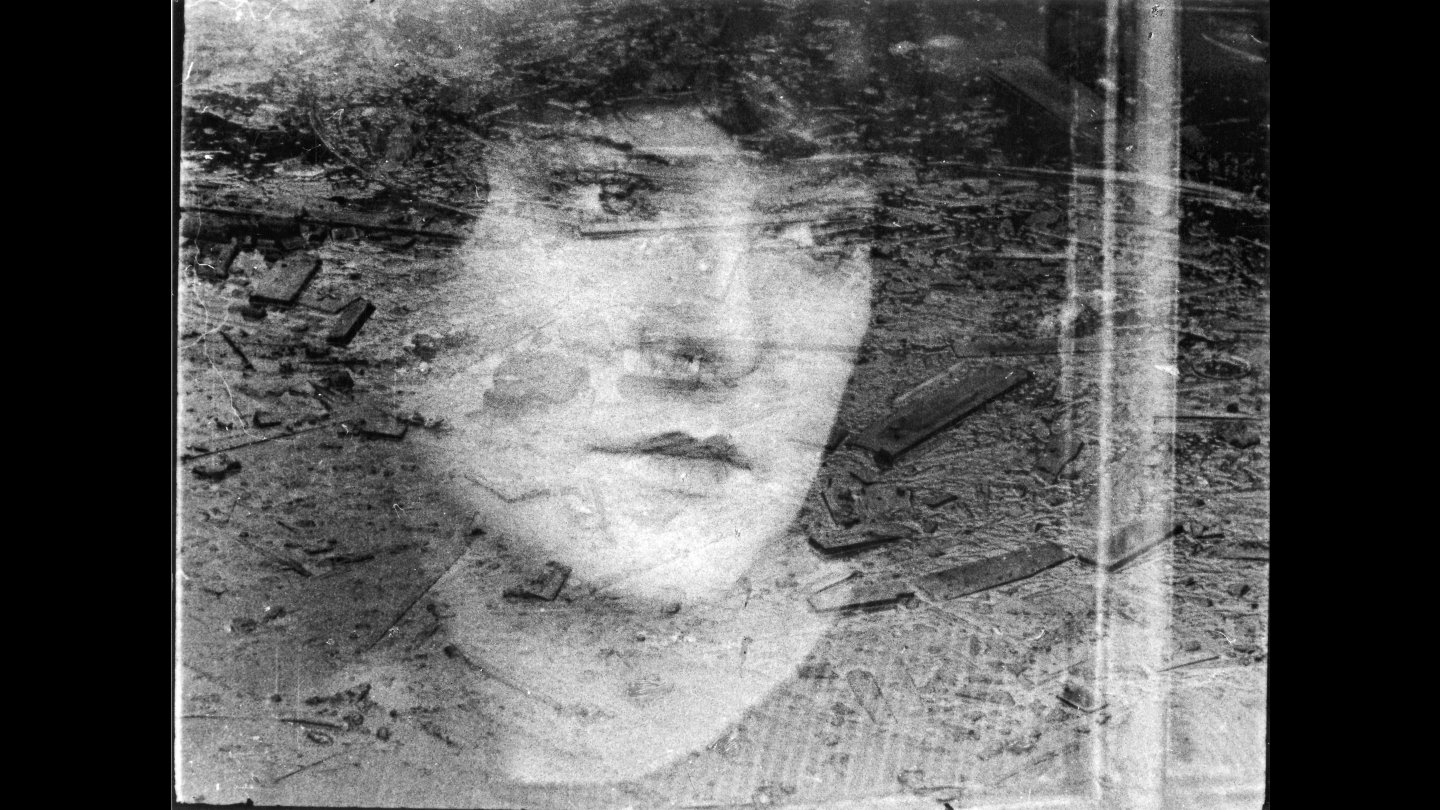
Major as he was, Epstein’s output was fragmentary, and his films can prove stubbornly unassimilable for the modern viewer, as packed with visual and aural invention as weighed down with creaking anachronisms. “There are no stories, there are only situations,” he famously claimed, spending a lifetime searching for the piercingly real in the tritest of melodramatic plots and the dreamily fantastical in the blurriest vision of a human face in hyperrealist close-up. For all the insights of his theories about cinema, Jean Epstein was also a working director who had to compromise to get films made, directing serials and orientalist crime capers throughout the 1920s in parallel to his more famous and—ostensibly—more characteristic works.
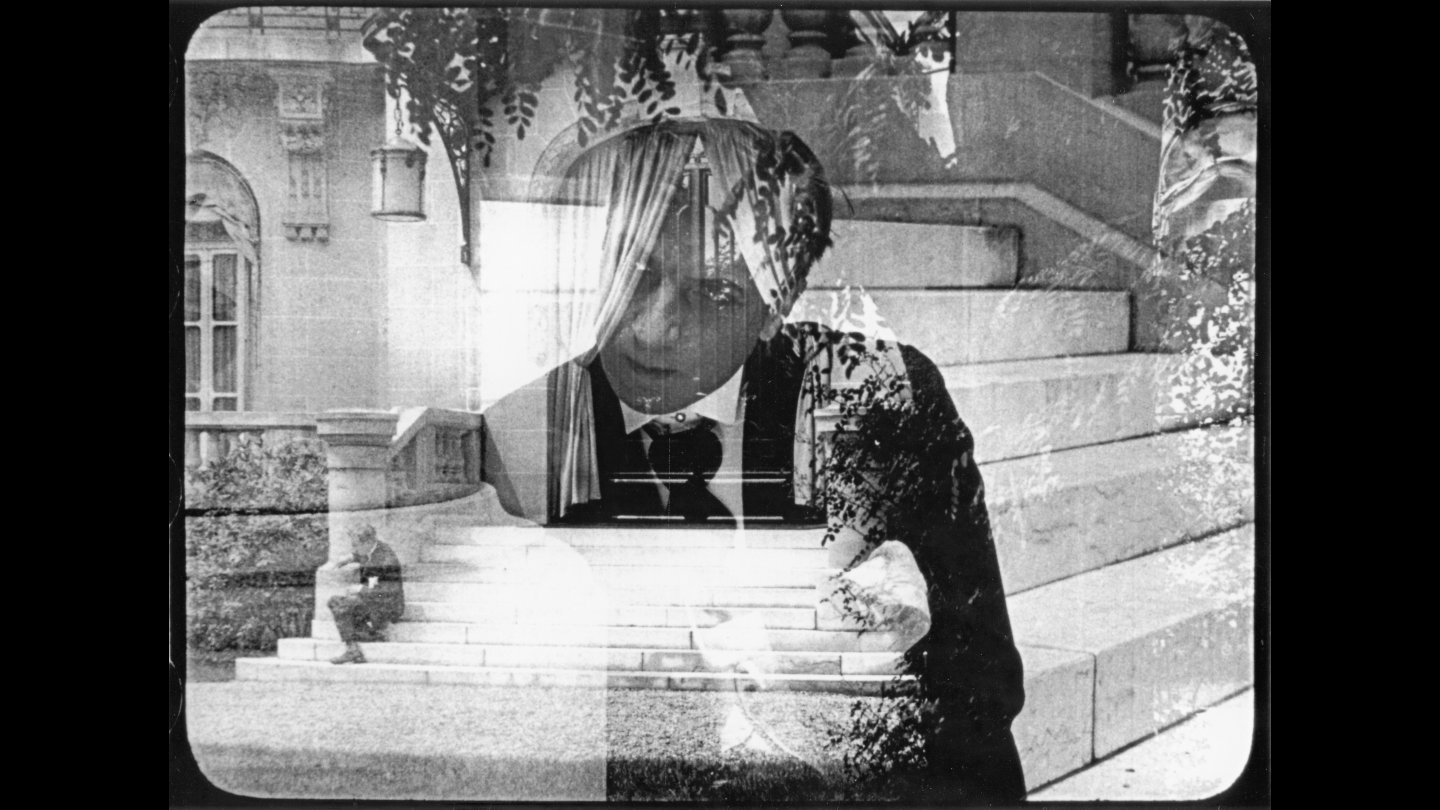
After 2012, I had resisted exploring Epstein’s films beyond a couple of titles, as if harbouring the secret dream that the future might yield an opportune moment to do so in better conditions. The Vienna retrospective, which belatedly provided such an opportunity, opened with Epstein’s famous adaptation of The Fall of the House of Usher (La Chute de la maison Usher, 1928), a classic that remains unlike any movie before or since, even with its seductive, Gothic Poe trappings. Sustained by the hurricane of its own energies, Epstein’s version of two short stories by Poe concerns a rural aristocratic family that devours itself as its patriarch becomes obsessed with painting a portrait of his dying wife. Hovering as if in a state of suspension, it’s less a horror film than a mirror-image of one, with the same characteristics warped and distorted. Epstein never went near material like this again, adding to the feeling that it is something of a UFO of film history. Along with End of the Earth (Finis terrae, 1929), an austere melodrama whose plot revolves around a seaweed fisherman on a remote Breton island who cuts his thumb, this film is the dead centre of Jean Epstein’s universe even without being at all characteristic.
To see a great number of Epstein’s films together was also to see how heterogeneous and contingent his work was, how the coming of sound transformed his practice, how the 1920s were a decade of both commercial experimentation and independent practice, and how this great filmmaker of the fleeting and the ephemeral increasingly had to contend with an industry’s standardisation of narrative form, which would prove fatal.

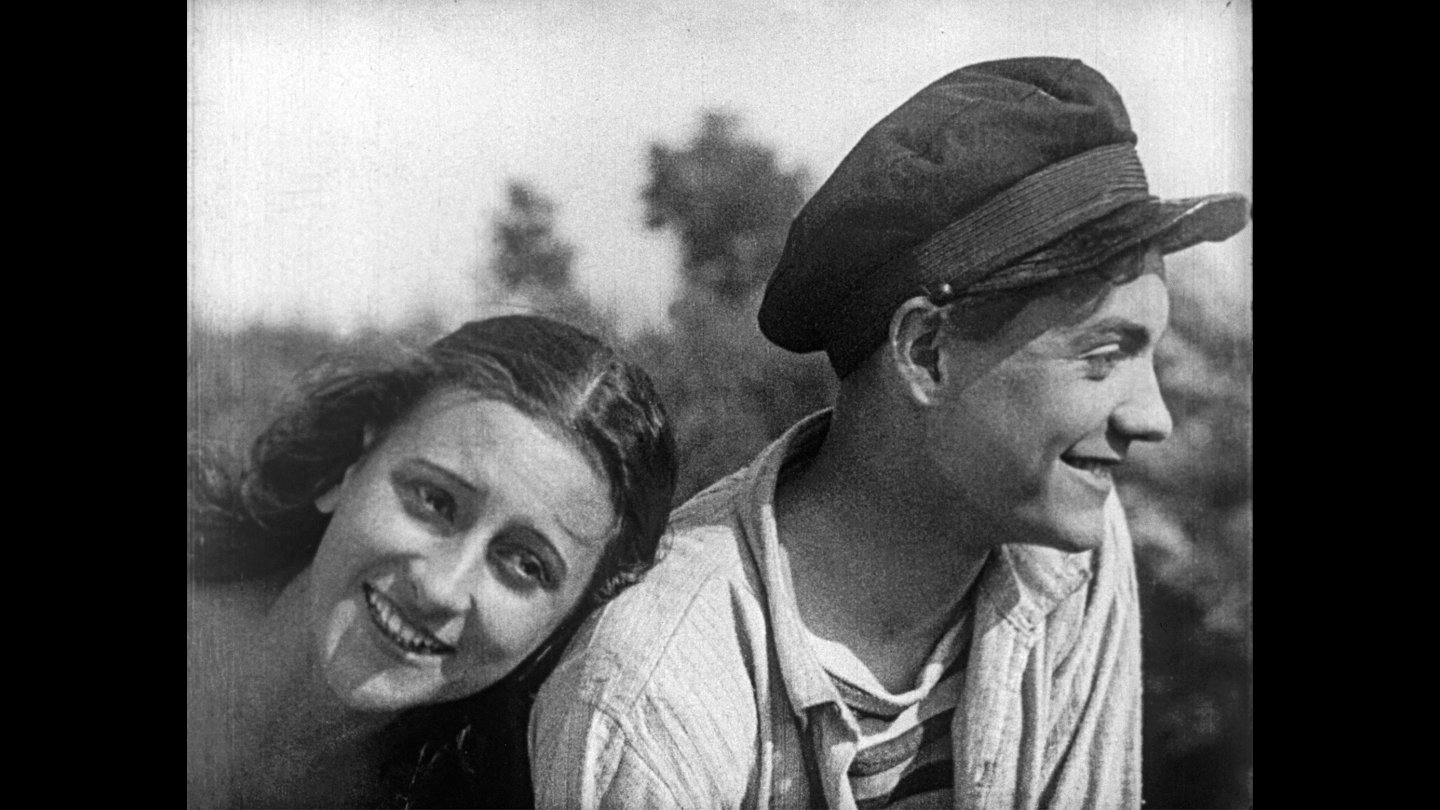
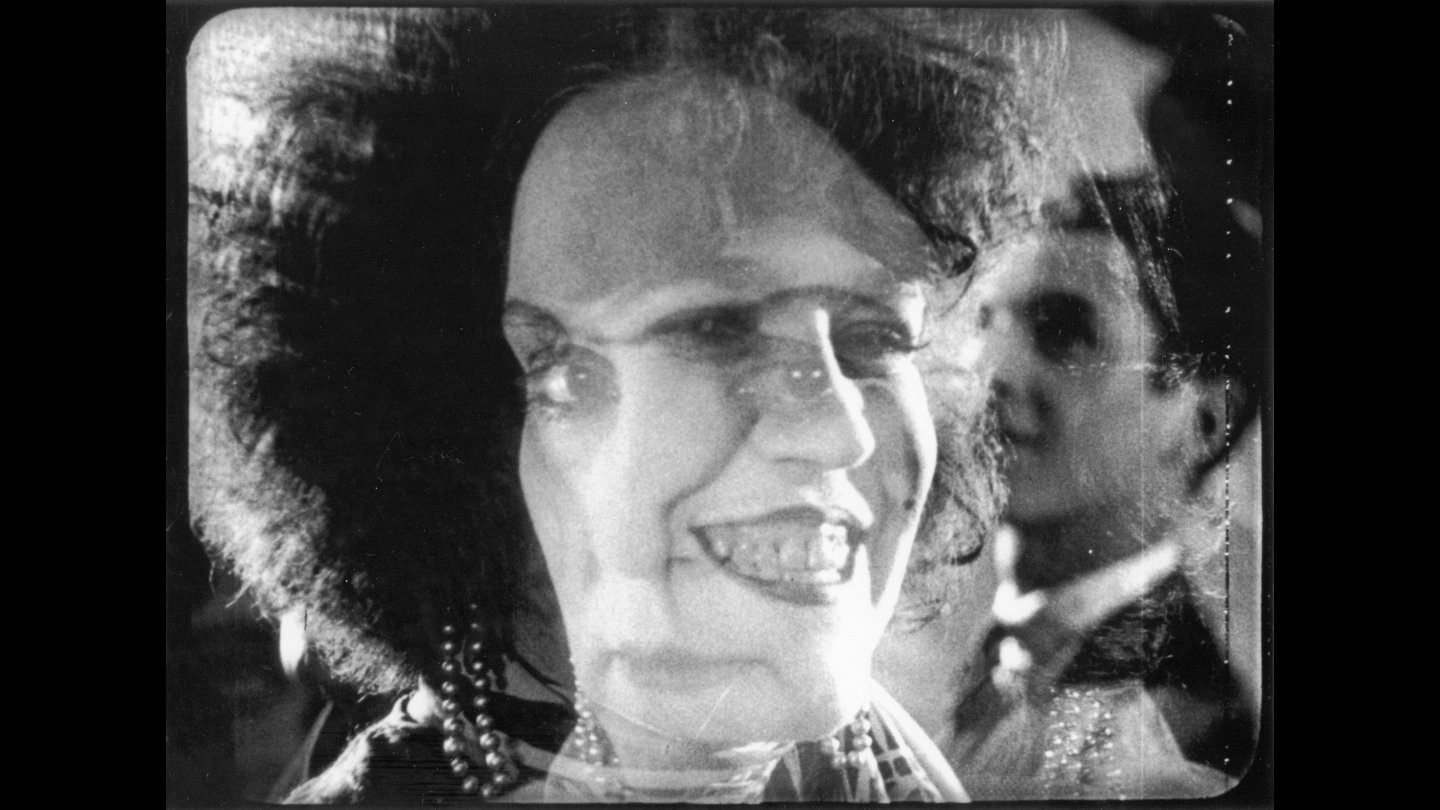
From The Fall of the House of Usher, it was possible to turn back to earlier works, such as his largely forgotten, proto-L’Atalante (dir. Jean Vigo, 1934) melodrama about life on a barge for a bunch of labourers, The Beauty from Nivernais (La Belle Nivernaise, 1924), or to his epic serial The Adventures of Robert Macaire (Les Aventures de Robert Macaire, 1925). Or even to my personal favourite, the orientalist thriller The Lion of the Moguls (Le Lion des Mogols, 1924), which Epstein made for a cabal of White Russians who offered him a large budget to make a piece of escapist fluff, which he accepted knowing all too well that his first films had not borne fruit at the box office. What he turned in is wonderfully eccentric and entertaining, featuring mad car chases through the Champs-Élysées, a costume ball, elaborate sets filled with hundreds of extras, scurrilous palace intrigue, and a meta storyline about a filmmaking troupe at work. Epstein is not buried by the assignment but liberated by it; The Lion of the Moguls contains half a dozen of his most majestic compositions and superimpositions.
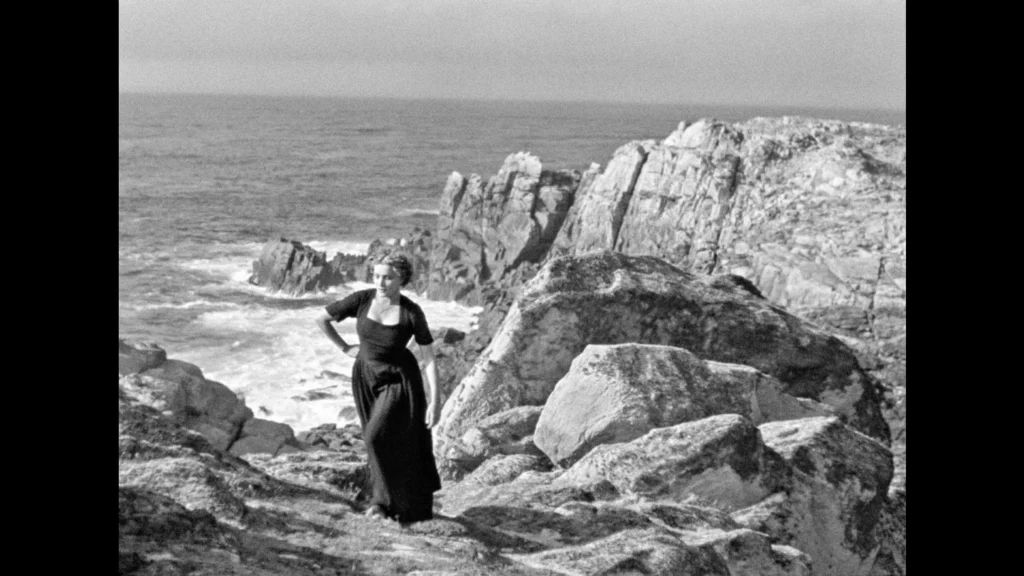
In the other direction, one could explore the ethnographic dramas Epstein made in Brittany at the dawn of sound, such as The Gold of the Seas (L’Or des mers, 1933), which exists in both sound and silent versions, and Song of Armorica (Chanson d’Ar-mor, 1934). For those interested in the beautiful awkwardness of early sound cinema, these are key works. Song of Armorica extends the interest in Breton culture Epstein had been developing for the previous five years and features songs and spoken dialogue in the Breton language, a cinematic first. A simple doomed love story in the early-1930s style told over 43 minutes, it has a Straubian enormity to its images of rural life and feels like a precursor of Vittorio De Seta’s 1950s documentaries in the meticulous attention it pays to documenting religious rituals, costumes, and traditions. But the flights of poetic fancy are all Jean Epstein: when our protagonist, an itinerant singer and musician, embarks on an ill-advised fishing trip, you know you’re going to see images of the raging sea as magnificent as anyone has ever been capable of filming. In The Gold of the Seas, it is as if Epstein’s austere images, as timeless as the remote island on which the film is set, could extend forever, outlasting civilisation like a moss-covered boulder overlooking the ocean. Particularly with the uncertain, disrupted post-synced soundtrack of the version of The Gold of the Seas screened for us in Vienna, it is as if Epstein is inventing the kind of structural cinema built out of repetition and stripped-back “performances”—more bodies cast in space than actors—that would appear more than three decades later.
***
In the twenty years separating the two Viennese programmes, and the thirteen years since Anthology’s, film culture has, like the rest of the world, been roiled by major transformations. Given the wide-open nature of the internet, it is now possible, with resourcefulness and dedication, to assemble one’s own Jean Epstein retrospective at home from Blu-rays, pirated digital files, or a mix-and-match diet drawn from the offerings of streaming platforms. The barriers to accessing many of these films have been dissolved to an extraordinary degree; never have so many films from history been more available at once, and in such good scans.
The Viennale has long championed filmmakers with archipelago-like filmographies, heroically mounting retrospectives of their work that restore some of the power the capriciousness of history has robbed from them. Like Robert Kramer, the subject of the retrospective in 2024, Epstein was a ferociously independent mind, inspired in fits and starts and often weighed down by the demands of freedom he placed on his practice. The works of both Kramer and Epstein have become more available as the years have gone on, and yet staging these retrospectives still creates something new. With all the resources and sustained attention of a retrospective at a major festival, it was possible to comprehend both the richness and the ups and downs of these gloriously patchwork oeuvres. Both men made era-defining masterpieces that may well take on new depth in 2026; similarly, they may develop additional shading when juxtaposed with those minor works that radically, if imperfectly, beat a path towards them. The seeds of connection that sprout from a retrospective like the Viennale’s are invisible at first, and any rush to count them not immediately fruitful; like the Anthology programme of 2012, they may live on in the minds of certain cinephiles, continuing as a source of lasting inspiration.
***
Epstein’s The Woman at the End of the World (La Femme du bout du monde, 1937) is one of those singular films that is wondrous less for its specific qualities than for what it represents and for the conflicting stylistic currents that run through it. Namely, it represents the doomed assimilation of an improvisatory 1920s filmmaker like Epstein into the more standardised models of the late 1930s. This would surely not have seemed so obvious to me had I not spent two weekends devouring Epstein films in Vienna.
Already by the decade’s midpoint, Epstein had made the unwelcome transition from ethnographic experiments to studio comedies, a commercial milieu in which he was not long to last. The visionary artist and theorist who had thrown together a career on the back of free-flowing, playful invention—with formal experimentation opportunistically draped over the rickety clothesline of the shabbiest of melodramatic plots, which freed him to improvise everything else around them—found himself bound by the increasing demands for those plots to have greater commercial coherence. Gone was his treasured independence. After those early-1930s sound experiments, his studio works like The Man with the Hispano (L’Homme à l’Hispano, 1933), Marius and Olive in Paris (Marius et Olive à Paris, 1935), and Heart of a Vagabond (Cœur de gueux, 1936), among the rarest titles revived for the series in Vienna, were neither commercial nor critical successes. The arrival of sound as a standardisation tool for commercial cinema had not been kind to Jean Epstein, whose whole approach to making films was founded on improvisation and freedom. The forces of systematisation of the kind seen in French cinema in the mid-1930s proved fatal to his practice and resulted in a fragmented, archipelago-like oeuvre that has meant an honest appraisal of Epstein’s work can prove elusive.
By the time of The Woman at the End of the World at the end of the decade, it was impossible to imagine that Epstein could have told this story of sea-mad sailors arriving on a Breton island inhabited by a bar owner and her son as he might have done even five years before. Cinema, in the meantime, had moved on and was, unfortunately for Epstein, at the peak of its classical form. Only the faint reverberations of that earlier style would be left, suggested by the impossibly protracted superimposition of the sea over a woman’s face or the surreal sight of a giant rock face appearing out of the fog cloaking the ocean surface. That Epstein is ultimately defeated by the new era of more ordered commercial production even when adapting such familiar material—the sea, Bretonic islands, mythic figures, fateful romance—is beside the point. What’s interesting is seeing those two sensibilities collide in this final, noble, and exhausted gasp, the last feature-length project he would muster despite living another 16 years.
Even earlier in his career, Jean Epstein had sought those moments of sublime suspension in any kind of genre fare: a Victorian melodrama, a seafaring epic, a baroque horror film. Unlike conventional suspense filmmakers, Epstein’s technique was less about a specific effect—instilling terror, anxiety, romantic yearning—than about sustaining a mood; thus it is easy to imagine that some of the narrative problems Epstein was never quite able to overcome in the final stretch of his career stem from that. Those sequences were, one senses, the reason he made movies. In Faithful Heart (Cœur fidèle, 1923), that idea finds its ideal expression in the image of the lovers riding on fairground swings in Marseille, with their romance frozen in time as the world all around dissolves into a hazy vortex that remains outside their experience as individuals.
For as long as it lasts, that famous sequence, like so many others in Epstein’s films, seems to contain everything, all of cinema—until it doesn’t. He was a poet of these fleeting moments of connection, ultimately lost in the ocean of human existence. We, too, watching his films, are adrift, but in a sea of images.
Proofreading: Tomáš Eštok
Version of this text will be published in Outskirts Film Magazine Nº4.
Notes:
[1] Older and dedicated Viennese cinephiles might also remember the Austrian Film Museum’s own retrospective of 2005.
Pictures:
[1 – 6] Source: Retrospective Jean Epstein Viennale ’25

In 2012, Anthology Film Archives devoted a two-part retrospective to French theorist and impressionist filmmaker Jean Epstein, featuring many films that had at that point, they noted, “gone unscreened in NYC for decades.” Few of Epstein’s films were then available on DVD, though a 14-film box set would rectify that a few years later. Around the same time, a new collection of Epstein’s translated theoretical texts appeared, edited by Jason N. Paul and Sarah Keller. This was at the dawn of the digital era, but Anthology continued to insist on showing the films as they were intended for exhibition, on 35mm prints, though, in the case of the silent films, without piano accompaniment.
I’m old enough to have experienced the reverberations of that New York programme from a distance, to have read and heard about friends’ viewing revelations, which I could only experience vicariously from across the ocean, and to have pored over the articles it produced, the blog posts, the flurries of enthusiastic screencapping (for which Epstein’s films have always seemed particularly suited), and to have noted the jolt of inspiration it provided to certain eager minds. When I attended the similarly revelatory Jean Epstein retrospective at last October’s Viennale, I met several New York friends for whom that 2012 programme remained a formative experience. Speaking with them, I found that its memory and influence had obviously not diminished; it was a significant collective event that left a mark on a generation of New York cinephiles even as it had been mostly forgotten.[1]
Major as he was, Epstein’s output was fragmentary, and his films can prove stubbornly unassimilable for the modern viewer, as packed with visual and aural invention as weighed down with creaking anachronisms. “There are no stories, there are only situations,” he famously claimed, spending a lifetime searching for the piercingly real in the tritest of melodramatic plots and the dreamily fantastical in the blurriest vision of a human face in hyperrealist close-up. For all the insights of his theories about cinema, Jean Epstein was also a working director who had to compromise to get films made, directing serials and orientalist crime capers throughout the 1920s in parallel to his more famous and—ostensibly—more characteristic works.
After 2012, I had resisted exploring Epstein’s films beyond a couple of titles, as if harbouring the secret dream that the future might yield an opportune moment to do so in better conditions. The Vienna retrospective, which belatedly provided such an opportunity, opened with Epstein’s famous adaptation of The Fall of the House of Usher (La Chute de la maison Usher, 1928), a classic that remains unlike any movie before or since, even with its seductive, Gothic Poe trappings. Sustained by the hurricane of its own energies, Epstein’s version of two short stories by Poe concerns a rural aristocratic family that devours itself as its patriarch becomes obsessed with painting a portrait of his dying wife. Hovering as if in a state of suspension, it’s less a horror film than a mirror-image of one, with the same characteristics warped and distorted. Epstein never went near material like this again, adding to the feeling that it is something of a UFO of film history. Along with End of the Earth (Finis terrae, 1929), an austere melodrama whose plot revolves around a seaweed fisherman on a remote Breton island who cuts his thumb, this film is the dead centre of Jean Epstein’s universe even without being at all characteristic.
To see a great number of Epstein’s films together was also to see how heterogeneous and contingent his work was, how the coming of sound transformed his practice, how the 1920s were a decade of both commercial experimentation and independent practice, and how this great filmmaker of the fleeting and the ephemeral increasingly had to contend with an industry’s standardisation of narrative form, which would prove fatal.