PONTÓN

EN

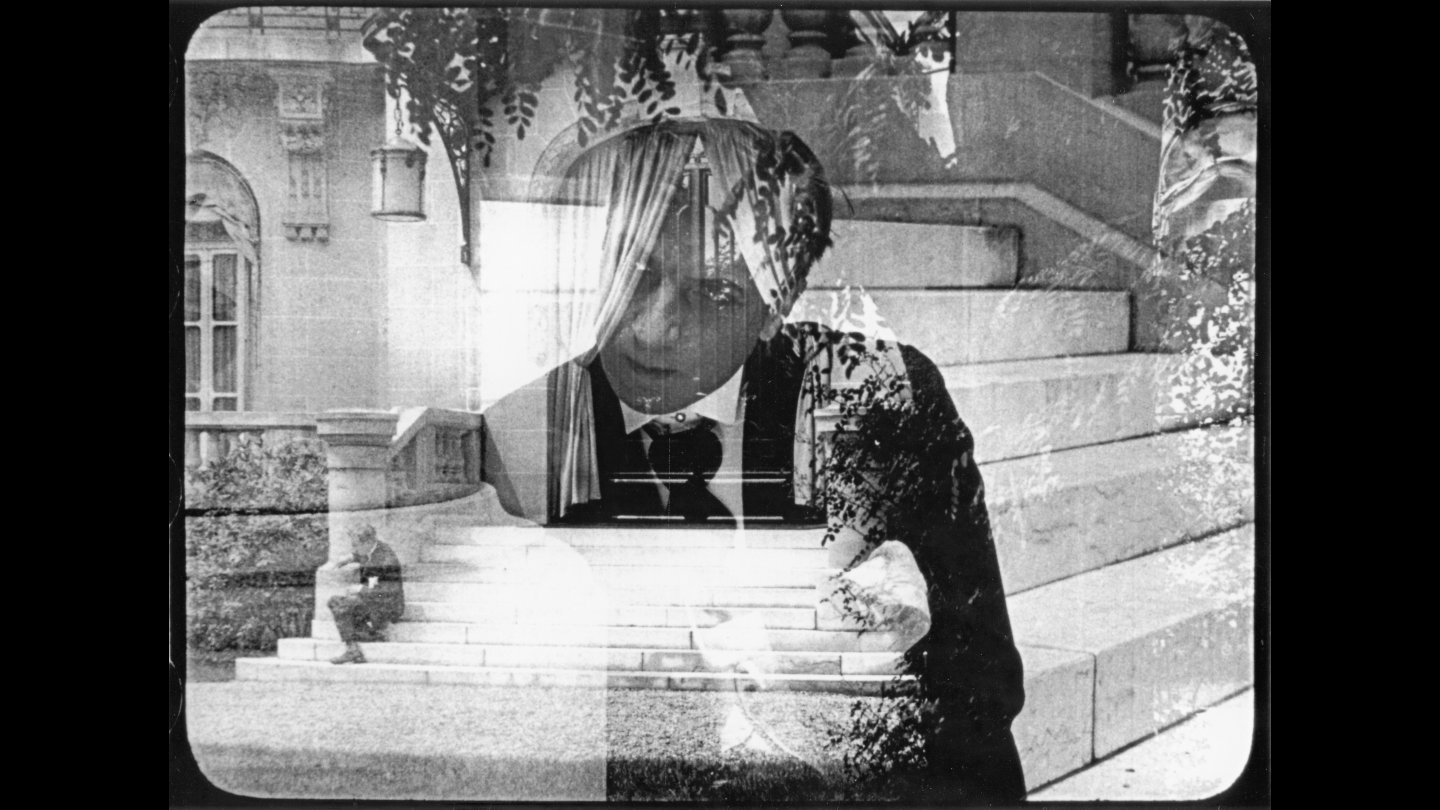
The Figure at the End of the World: Revisiting Jean Epstein

Major as he was, Epstein’s output was fragmentary, and his films can prove stubbornly unassimilable for the modern viewer, as packed with visual and aural invention as weighed down with creaking anachronisms. “There are no stories, there are only situations,” he famously claimed, spending a lifetime searching for the piercingly real in the tritest of melodramatic plots and the dreamily fantastical in the blurriest vision of a human face in hyperrealist close-up. For all the insights of his theories about cinema, Jean Epstein was also a working director who had to compromise to get films made, directing serials and orientalist crime capers throughout the 1920s in parallel to his more famous and—ostensibly—more characteristic works. 

No more hiding: Rebecca Salvadori talks visual mapping of the music scenes

Working with visual archives can be one way of working with video materials; creating them is another. While London-based Italo-Australian filmmaker and video artist Rebecca Salvadori does both, her ongoing work seems to capture and create unique, specific audio-visual cultural heritage of experimental, electronic, and club scenes in different cities. Rebecca Salvadori, Saint Abdullah, and Eomac will also present A Forbidden Distance at the Next Festival in Bratislava on November 28.
Záber z filmu A Fidai Film Kamala Aljafariho: krajina s domami, na obraze sú veľké červené škvrny

Fragments of a stolen memory: Efforts to reclaim the Palestinian image

The Palestinian archive has become a focal point for many Palestinian historians and filmmakers. As seen in the works mentioned earlier, it represents a quest to reclaim the narrative and reconstruct a national identity that Palestinians have long been denied. This appears either through efforts to recover and repurpose the archive, or through virtual reconstructions and retellings of events and histories, ensuring they are remembered in the future.
Záber z filmu A Woman’s Torment režisérky Roberty Findlay: veľký detail na oči človeka

Anyone but her husband: Roberta Findlay revisited

Between 1966 and 1989, Roberta Findlay directed, wrote, produced, shot, edited, and occasionally acted in countless exploitation, horror, and pornographic films, often under pseudonyms or in production contexts where the precise nature of her involvement was unclear (and subsequently obfuscated by Findlay’s own shifting stories on the subject). At her company Reeltime, she also managed the distribution of many of these works across North America and, at least to some extent, in foreign territories, first for her adult work and then, between 1985 and 1988, for the cheap horror and exploitation films she made with the VHS market in mind. Despite this considerable and quite singular oeuvre, Findlay remains an elusive character whose films and pugnacious public comments thwart the tidy auteurist and especially feminist readings well-meaning fans apply to them.
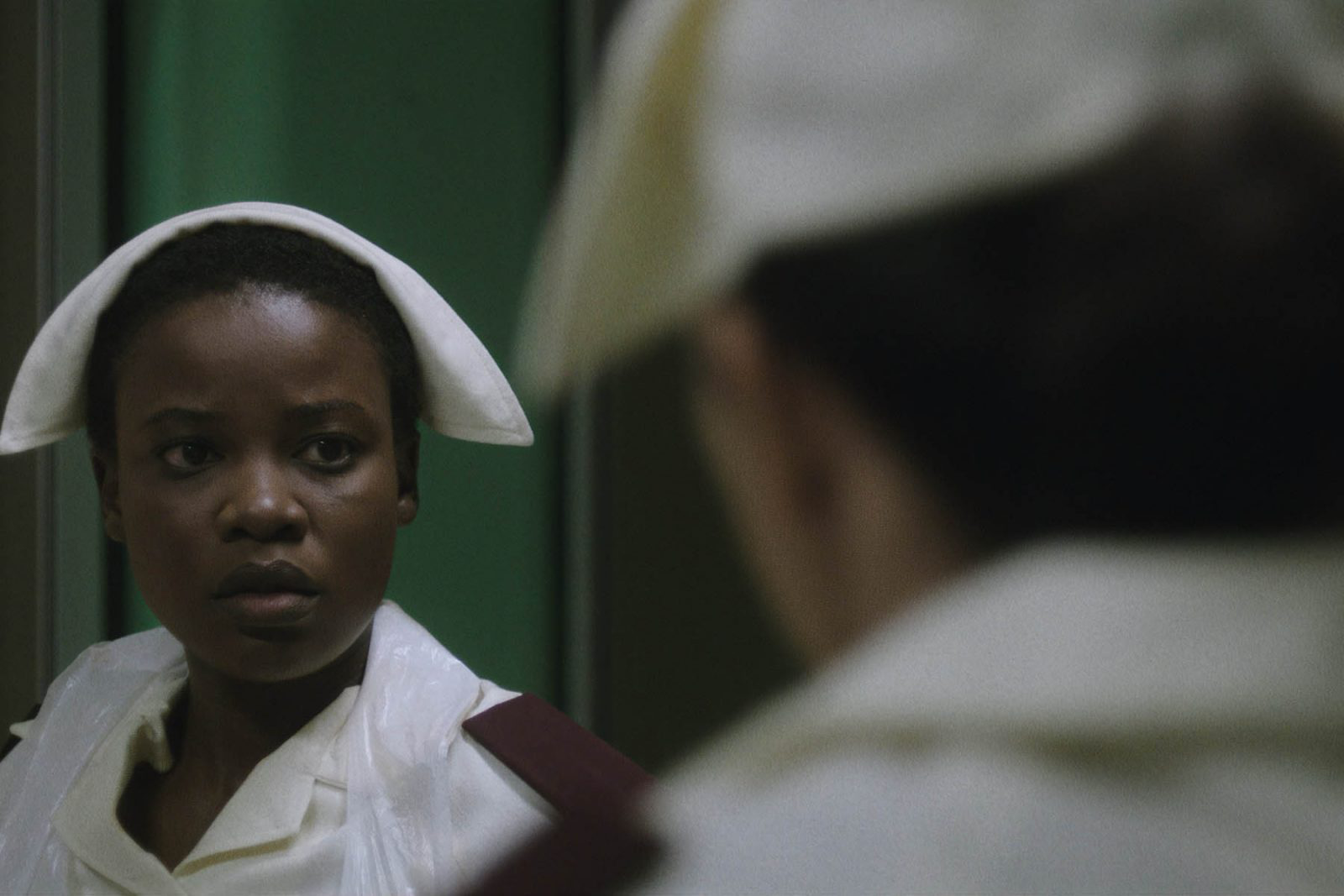
záber z filmu Když slunce zapadá režisérky Phumi Morare: Dve postavy stoja oproti sebe

Phumi Morare: Colonialism took away our right to self-determination

Phumi Morare, the South-African filmmaker and directress, presented her short films Why the Cattle Wait (2024) and When the Sun Sets (Lakutshon Ilanga, 2021) at the Ponrepo cinema of the National Film Archive in Prague earlier this year. When the Sun Sets won the so-called Student Oscar and was shortlisted for an Academy Award. In this interview, Morare reflects on the importance of telling the stories of ordinary women, amplifying non-white narratives, and the potential of historical revisionism in independent film.

5to9: Can life in film be a healthy one?

According to the 2024 Looking Glass survey, only 12% of respondents considered the film industry a healthy working environment, and more than half considered leaving the sector entirely. The results of the 2019 survey, along with personal experience, motivated Prague-based Danish festival programmer Louise Højgaard Johansen, to establish the Sane Cinema initiative. In November, at the Safe & Sound Film Days event organized by NINJA FILM, she led a panel discussion titled How to Stay Safe and Mentally Healthy Throughout the Entire Filmmaking Process?
ruins collective

ruins collective: what cannot be remembered is doomed to repeat itself

Teta Tsybulnyk (1987) is an artist, filmmaker, and psychoanalyst with academic background in sociology, social anthropology, and clinical psychology. Her research spans from the non-human gaze on nature to semiotics of the unconscious and dreams. Elias Parvulesco (1985) is an artist, curator, and film archivist. He was a film history scholar and programmer at the Oleksandr Dovzhenko National Centre in Kyiv. Together with Oleg Isakov, they founded ruїns collective, Kyiv-based film and art group that aims to reflect on the complex world of today and develop appropriate ethical paradigms.
ISSN: 2989-3739
FacebookInstagram
© 2026 Inštitút Pontón
crossarrow-up